
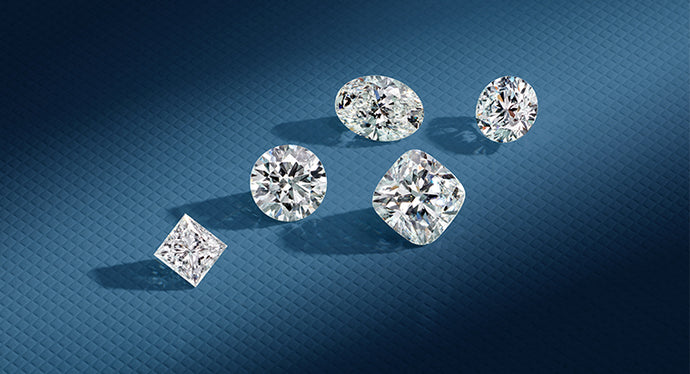
Diamonds have always been symbols of beauty, luxury, and commitment. But in recent years, lab-grown diamonds have gained popularity as an ethical, affordable, and environmentally conscious alternative to mined stones. As with natural diamonds, the value and trust in a lab-grown diamond largely depend on its certification. Two major grading laboratories dominate this space: GIA (Gemological Institute of America) and IGI (International Gemological Institute).
When buying a lab-grown diamond, many buyers face the dilemma: Should I choose a GIA-certified or an IGI-certified stone? Let’s break down the differences, strengths, and considerations for each.
1. Understanding Diamond Certification
A diamond certificate, also called a grading report, is an independent assessment of a diamond’s quality. It evaluates the diamond based on the 4Cs—Cut, Color, Clarity, and Carat weight—along with other details like fluorescence, polish, and symmetry.
For lab-grown diamonds, certification is even more critical. It not only confirms the diamond’s quality but also specifies whether it’s laboratory-created or naturally mined. This ensures full transparency for buyers.
2. GIA Certification for Lab-Grown Diamonds
The Gemological Institute of America is one of the most respected and recognized gemological laboratories in the world. For decades, GIA has been the gold standard in grading natural diamonds. In recent years, it has expanded into grading lab-grown diamonds as well.
Key Features of GIA Lab-Grown Diamond Reports:
-
Detailed Grading: GIA uses the same grading standards for lab-grown diamonds as for natural ones.
-
Laser Inscription: The report number and the words “Laboratory-Grown” are inscribed on the diamond’s girdle.
-
Color & Clarity Precision: GIA is known for stricter grading, which can sometimes result in slightly lower grades than other labs might assign.
-
Transparency: The report clearly indicates that the diamond is lab-grown using methods such as CVD (Chemical Vapor Deposition) or HPHT (High Pressure High Temperature).
Advantages of GIA Certification:
-
Global Recognition: GIA reports are trusted and recognized worldwide, which can help in resale value.
-
Strict Standards: Buyers can be confident that grading is consistent and reliable.
-
Unbiased Reputation: GIA is independent and has no commercial interest in selling diamonds.
Possible Drawbacks:
-
Cost: GIA certification can sometimes add a bit more to the price compared to IGI-certified equivalents.
-
Turnaround Time: GIA grading can take longer, especially for custom orders.
3. IGI Certification for Lab-Grown Diamonds
The International Gemological Institute has been a pioneer in grading lab made diamonds. In fact, IGI was one of the first major labs to provide comprehensive grading reports for lab-created stones, well before GIA fully entered this segment.
Key Features of IGI Lab-Grown Diamond Reports:
-
Fast Processing: IGI often delivers grading reports more quickly than GIA.
-
Competitive Pricing: IGI certification fees are generally lower.
-
Lab-Grown Leadership: IGI embraced lab-grown diamonds early, meaning they have extensive experience with them.
-
User-Friendly Reports: Their grading reports are straightforward and easy to read.
Advantages of IGI Certification:
-
Affordability: Lower certification costs can translate to slightly lower diamond prices.
-
Speed: Faster turnaround makes IGI popular with jewelers and online retailers.
-
Industry Acceptance: IGI certification is widely accepted, especially in the lab-grown diamond market.
Possible Drawbacks:
-
Slightly Lenient Grading: Some gemologists believe IGI’s grading can be marginally more lenient compared to GIA, meaning a GIA-graded diamond might receive a slightly lower grade for the same stone.
-
Global Perception: While respected, IGI is sometimes considered less prestigious than GIA in certain markets.
4. GIA vs. IGI: Direct Comparison
| Feature | GIA | IGI |
|---|---|---|
| Reputation | World’s most prestigious diamond lab | Highly respected, especially for lab-grown |
| Grading Strictness | Very strict, conservative | Slightly more lenient in some cases |
| Processing Time | Slower | Faster |
| Cost | Higher | Lower |
| Experience with Lab-Grown | Newer to lab-grown but highly reliable | Early leader in lab-grown certification |
| Market Recognition | Globally recognized and trusted | Strong recognition, especially in lab-grown space |
5. Which Should You Choose for a Lab-Grown Diamond?
The choice between GIA or IGI depends on your priorities:
-
If you want maximum prestige and strict grading standards: Go for GIA. This can be particularly beneficial if you want higher resale value or absolute confidence in grading precision.
-
If you value speed, affordability, and a broad selection: IGI is an excellent choice, especially if you’re buying from an online retailer or looking for a better price-to-quality ratio.
6. The Bottom Line on Lab-Grown Diamond Certification
Whether you choose GIA or IGI, what matters most is that your diamond has a reputable, third-party certification. This ensures you’re getting exactly what you pay for—no surprises, no misleading claims. Both GIA and IGI clearly identify lab-grown diamonds and provide accurate grading that helps you compare stones.
In the fast-growing world of lab-grown diamonds, certification provides the transparency and trust that every buyer deserves. GIA offers prestige and strict standards; IGI offers speed, affordability, and lab-grown expertise. There’s no wrong choice—just the one that fits your needs, budget, and peace of mind.