


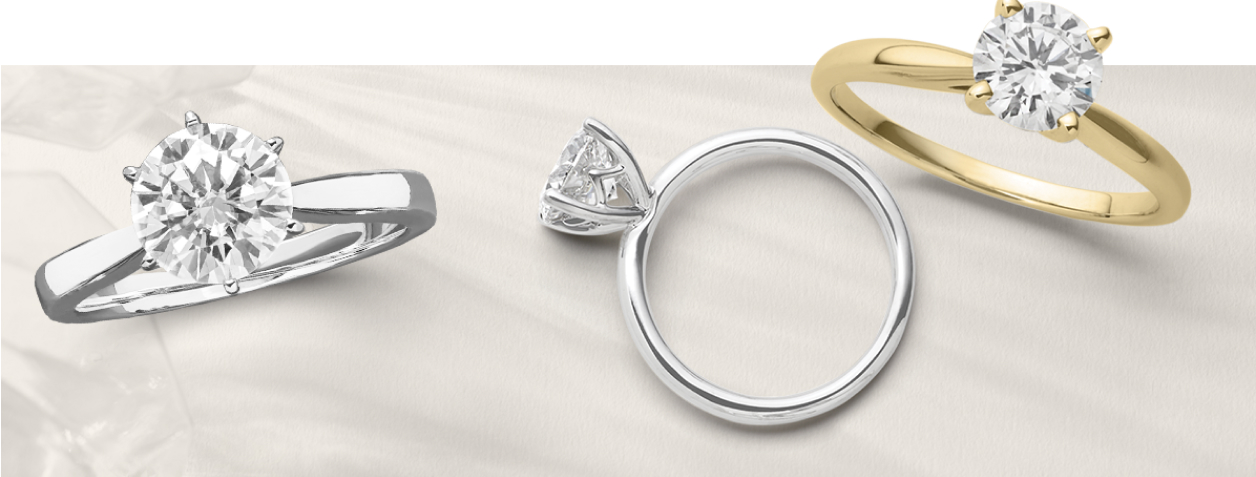
When considering engagement rings or fine jewelry, the terms diamond vs moissanites and lab diamonds often come up. Both gemstones offer unique beauty and value, but understanding their differences, characteristics, and advantages is crucial for making an informed choice. This article explores these aspects in detail, providing insights into why each stone might be the right option for different buyers.
Understanding Diamonds and Moissanites
Diamonds have long been celebrated for their brilliance, hardness, and rarity. Traditionally, diamonds are formed naturally over millions of years deep within the Earth’s mantle. However, advancements in technology have led to the creation of lab diamonds, which possess the same chemical, physical, and optical properties as natural diamonds but are grown in controlled environments. Lab diamonds have opened a new world of possibilities for those seeking high-quality stones at more accessible prices.
On the other hand, moissanites are silicon carbide gemstones originally discovered in meteorites. They are lab-created almost exclusively because natural moissanites are extremely rare. Moissanites are renowned for their fiery brilliance and sparkle, which differs from the classic sparkle of diamonds. When comparing diamond vs moissanites, it’s important to understand that although moissanites mimic the appearance of diamonds, their refractive properties give them a distinct rainbow-like flash.
Key Differences Between Diamond vs Moissanites
When debating diamond vs moissanites, there are several factors to consider:
1. Hardness and Durability
Diamonds are the hardest known natural material, rated 10 on the Mohs scale. This makes them highly resistant to scratches and ideal for everyday wear. Lab diamonds, being identical in structure to natural diamonds, share this exceptional durability. Moissanites, while very hard, score slightly lower at 9.25 on the Mohs scale. This means they are durable enough for daily wear but may be more susceptible to scratching over time compared to diamonds.
2. Brilliance and Fire
Brilliance refers to the white light reflected from a gemstone, while fire is the colorful dispersion of light. Diamonds, especially high-quality lab diamonds, offer a balance of brilliance and subtle fire, creating a timeless and sophisticated sparkle. Moissanites, by contrast, exhibit a more intense rainbow-like fire, which some buyers find dazzling but others consider less classic. This difference often guides the diamond vs moissanites debate, particularly for those prioritizing traditional elegance over visual impact.
3. Price Considerations
Cost is a significant factor when comparing diamond vs moissanites. Lab diamonds generally cost less than natural diamonds, making them an attractive choice for budget-conscious buyers without compromising on quality. Moissanites are typically even more affordable than lab diamonds, offering a visually impressive gemstone at a fraction of the cost. However, the price difference can reflect the inherent durability and prestige associated with diamonds.
4. Ethical and Environmental Factors
The appeal of lab diamonds extends beyond cost. Lab-grown diamonds are considered more environmentally friendly and ethically sourced than mined diamonds, addressing concerns about conflict diamonds and ecological damage. Moissanites, while also lab-created, do not carry the same traditional prestige as diamonds but remain a sustainable alternative to mined gemstones.
Choosing the Right Stone for You
The choice between diamond vs moissanites ultimately depends on personal preference, lifestyle, and budget. For those seeking the classic appeal, enduring value, and recognized prestige, lab diamonds are a compelling option. Their authenticity, combined with ethical sourcing, makes them a modern alternative to mined diamonds without sacrificing quality or beauty.
Moissanites, on the other hand, are perfect for buyers who prioritize sparkle, affordability, and durability. While they do not carry the same historical significance as diamonds, their vibrant fire and affordability make them an excellent choice for statement jewelry or budget-conscious engagement rings.
Lab Diamonds: A Modern Solution
Lab diamonds deserve special attention in the diamond vs moissanites discussion. Unlike moissanites, lab diamonds are chemically and physically identical to mined diamonds, offering the same brilliance, hardness, and longevity. Their controlled production allows for more consistent quality, fewer inclusions, and a range of sizes and shapes. Additionally, lab diamonds often come with certifications verifying their authenticity, giving buyers peace of mind.
The growing popularity of lab diamonds also reflects a shift in consumer values. Modern buyers increasingly seek transparency, ethical sourcing, and environmental responsibility. Lab diamonds satisfy these criteria while maintaining the luxury and elegance traditionally associated with natural diamonds.
Conclusion
In the ongoing discussion of diamond vs moissanites, both gemstones have their merits, but lab diamonds stand out as a perfect blend of beauty, durability, and ethical responsibility. Diamonds, whether mined or lab-grown, offer unmatched hardness and timeless appeal. Moissanites provide dazzling sparkle and affordability for those who prioritize visual impact and cost savings. Understanding the unique characteristics of each stone allows buyers to make informed decisions, ensuring their jewelry choice aligns with both personal taste and long-term value.
By considering factors such as hardness, brilliance, cost, and ethical sourcing, the comparison between diamond vs moissanites becomes clearer. Ultimately, lab diamonds have cemented their place in modern jewelry, providing a sustainable, high-quality alternative to natural diamonds while offering a distinguished edge over moissanites in terms of tradition, prestige, and long-term investment.